
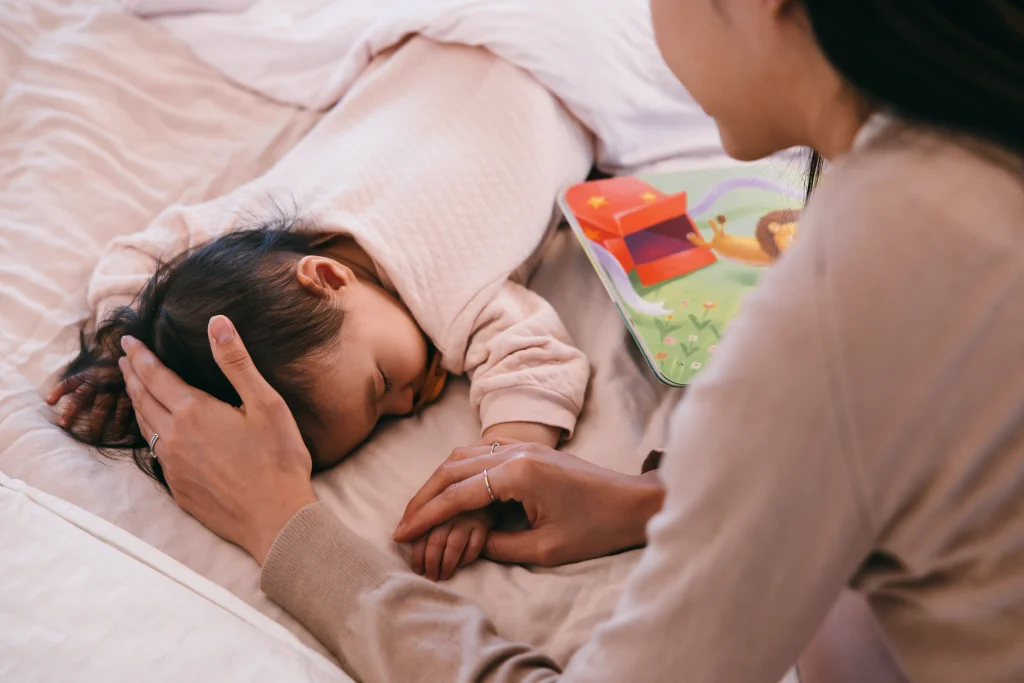
Sleep is one of the biggest topics in early parenting. Before having a baby, many parents hear phrases like “sleep when the baby sleeps” or “your baby will eventually sleep through the night.” But once the baby arrives, sleep can feel much more complicated. Some babies wake every few hours, some need rocking or feeding to fall asleep, and some seem to sleep well for a few weeks before suddenly changing again.
This is where baby sleep training often enters the conversation. For some parents, it sounds like a helpful solution. For others, it sounds stressful, emotional, or even confusing. Should babies be trained to sleep? When is it safe to start? Does it mean leaving a baby to cry? What if the baby still needs night feeds? And how can parents balance better sleep with responsive caregiving?
The truth is that baby sleep training is not one single method. It is a broad term for helping babies gradually develop healthy sleep habits and, when developmentally ready, learn to fall asleep with less help from parents. For some families, this may involve a structured method. For others, it may simply mean building a consistent bedtime routine, adjusting naps, creating a safer sleep environment, and responding in a calmer, more predictable way at night.
Most importantly, sleep training should never replace safe sleep practices, feeding needs, medical guidance, or a parent’s instinct when something feels wrong. Babies are still developing, and every baby’s sleep pattern is different. A gentle, realistic approach is often the most sustainable one.
What Is Baby Sleep Training?
Baby sleep training is the process of helping a baby build more independent sleep habits. This may include learning to fall asleep in the crib, settle after normal night wakings, follow a consistent bedtime routine, or sleep for longer stretches when developmentally ready.
However, sleep training does not mean ignoring a baby’s needs. A baby may still need feeding, comfort, diaper changes, closeness, or medical attention. Sleep training is not about making a baby “convenient.” Instead, it is about helping the whole family create healthier sleep patterns in a safe and responsive way.
Baby sleep training can include:
- A consistent bedtime routine
- A predictable sleep environment
- Placing baby down drowsy but awake
- Reducing sleep associations gradually
- Encouraging self-soothing when age-appropriate
- Adjusting nap timing
- Responding consistently during night wakings
- Choosing a sleep method that fits the baby’s temperament and family values
In other words, baby sleep training is not only about nighttime crying. It is about creating a rhythm that helps babies understand when it is time to sleep.
When Should Parents Start Baby Sleep Training?
Many babies are not developmentally ready for formal sleep training as newborns. In the first few months, babies wake often because they need feeding, comfort, and help regulating their sleep-wake cycles. Newborn sleep is naturally irregular, and frequent waking is normal.
Many pediatric sleep resources suggest that babies may be more ready for structured sleep training around four to six months, when sleep cycles begin to mature and some babies can go longer between feeds. However, readiness depends on the baby’s health, growth, feeding needs, temperament, and family situation.
Before starting any structured sleep training method, parents should consider speaking with a pediatrician, especially if the baby was born premature, has reflux, poor weight gain, feeding concerns, medical conditions, or significant sleep struggles.
Signs your baby may be ready
Your baby may be ready for gentle sleep habit changes if they:
- Are around four months or older
- Are gaining weight well
- No longer need as many night feeds, according to medical advice
- Can sleep for slightly longer stretches
- Has a somewhat predictable bedtime
- Shows tired cues around similar times each evening
- Can settle sometimes with less intensive help
- Has no current illness, major travel disruption, or big routine change
When to wait
It may be better to delay sleep training if your baby:
- Is younger than four months
- Is sick, teething intensely, or recovering from illness
- Has feeding or weight gain concerns
- Was born premature and still needs adjusted-age consideration
- Is going through a major family transition
- Has breathing, reflux, or medical concerns
- Becomes extremely distressed beyond what feels normal
Sleep training is not a race. Waiting until your baby is more ready can make the process gentler and more effective.
Safe Sleep Comes Before Sleep Training
Before thinking about sleep training methods, parents should focus on safe sleep. A baby’s sleep environment matters more than any routine or method.
Safe sleep basics
A safer baby sleep setup usually includes:
- Baby placed on their back for every sleep
- A firm, flat sleep surface
- A crib, cot, bassinet, or approved infant sleep space
- No pillows, loose blankets, stuffed toys, bumpers, or soft bedding
- Room-sharing without bed-sharing, especially in the early months
- Avoiding overheating
- Keeping baby away from smoke exposure
- Avoiding sofas, armchairs, swings, and car seats as regular sleep spaces
These safety rules apply for naps and nighttime sleep. If a baby falls asleep in a swing, carrier, stroller, or car seat, parents should move the baby to a safe sleep surface as soon as practical.
Why this matters
A baby who sleeps longer is not automatically sleeping safely. Longer sleep should never come at the cost of unsafe products, unsafe positions, or unsafe sleep surfaces. Therefore, any baby sleep training plan must begin with the question: “Is my baby’s sleep space safe?”
Building a Bedtime Routine Before Sleep Training
A calming bedtime routine helps babies understand that sleep is coming. Even before formal sleep training begins, a simple routine can prepare babies for better sleep habits.
A simple bedtime routine may include:
- Dim the lights
- Give a feed
- Change diaper
- Put on sleepwear or sleep sack
- Read a short book
- Sing a lullaby
- Offer a cuddle
- Place baby in the crib drowsy but awake
The routine does not need to be long. In fact, 20 to 30 minutes is often enough. What matters is consistency.
Why routines work
Babies learn through repetition. When the same calming steps happen in the same order each night, the routine becomes a signal. Over time, the baby begins to understand, “This is what happens before sleep.”
However, parents should keep the routine flexible. Some nights will not go perfectly. Babies may be overtired, hungry, uncomfortable, or unsettled. A routine is a guide, not a strict script.
Baby Sleep Training Methods Parents Can Consider
There are several baby sleep training methods. No single method is right for every family. The best approach depends on the baby’s age, temperament, health, and the parents’ comfort level.
1. Bedtime fading
Bedtime fading is a gentle method that adjusts bedtime closer to the time when the baby naturally becomes sleepy. If a baby is placed in bed too early, they may cry or resist sleep because they are not tired enough.
With bedtime fading, parents temporarily shift bedtime later, then gradually move it earlier once the baby falls asleep more easily.
Best for:
- Babies who fight bedtime
- Families who want a gradual approach
- Parents who notice their baby is not sleepy at the current bedtime
Things to remember:
Bedtime fading requires careful observation. If bedtime becomes too late, the baby may become overtired. Therefore, parents need to adjust slowly.
2. Pick-up, put-down method
This method involves placing the baby in the crib, offering comfort if they cry, picking them up briefly if needed, and putting them back down once calm.
Best for:
- Parents who want to stay physically responsive
- Younger babies who still need reassurance
- Families uncomfortable with longer crying periods
Things to remember:
This method can take patience. Some babies become more stimulated by repeated picking up and putting down. If that happens, parents may need a different approach.
3. Chair method
With the chair method, a parent sits near the baby’s crib while the baby learns to fall asleep. Over several nights, the parent gradually moves the chair farther away.
Best for:
- Babies who need a parent’s presence
- Parents who prefer a gradual separation method
- Families who can commit to a consistent plan
Things to remember:
The chair method may take longer than more direct methods. It also requires parents to stay calm and consistent even when progress feels slow.
4. Graduated extinction or timed check-ins
This method involves putting the baby down awake and checking in at set intervals if the baby cries. The parent offers brief reassurance without fully restarting the bedtime routine.
For example, parents may check after a few minutes, then gradually increase the interval.
Best for:
- Older babies who are developmentally ready
- Parents comfortable with structured check-ins
- Families looking for a more defined plan
Things to remember:
Check-ins should be calm, brief, and consistent. If parents stay too long or change the response every few minutes, the baby may become more confused.
5. No-tears or gradual fading approach
Some families prefer to slowly reduce parental help over time. For example, if a baby usually falls asleep while being rocked, parents may rock less each night, then hold without rocking, then place the baby down earlier.
Best for:
- Parents who prefer very gentle changes
- Babies with sensitive temperaments
- Families who are not in a rush
Things to remember:
This method may take longer, but it can feel emotionally easier for some families.
How to Choose the Right Sleep Training Method
The right sleep training method is the one that is safe, age-appropriate, realistic, and emotionally manageable for your family.
Ask yourself:
- How old is my baby?
- Is my baby healthy and gaining weight well?
- Does my baby still need night feeds?
- What level of crying feels manageable to us?
- Can we stay consistent for several nights?
- Is our baby’s sleep environment safe?
- Are we starting during a stable week?
- Do we have support from a partner or caregiver?
If parents strongly disagree about the method, it is better to discuss expectations first. Inconsistent responses can make sleep training more difficult for both baby and parents.
Common Sleep Training Mistakes to Avoid
Starting too early
Newborns are not ready for structured sleep training. They need frequent feeds, comfort, and responsive care. Parents can still build gentle sleep cues, but formal training should wait until the baby is developmentally ready.
Skipping the bedtime routine
Sleep training works better when a baby has predictable sleep cues. Without a routine, bedtime may feel sudden and confusing.
Being inconsistent
If one night parents respond immediately, the next night they wait, and the next night they bring the baby into bed, the baby may struggle to understand what to expect. Consistency does not mean being harsh. It means responding in a predictable way.
Ignoring hunger or illness
Sleep training should not override real needs. If a baby is hungry, sick, in pain, or showing unusual distress, parents should respond.
Expecting instant results
Some babies respond quickly. Others take longer. Progress may not be linear. A baby may improve for a few nights, then struggle again during teething, growth spurts, travel, or developmental changes.
What About Crying?
Crying is one of the most emotional parts of baby sleep training. It can be hard for parents to hear, especially when they are already tired.
Some crying may happen because the baby is frustrated by a change in routine. However, parents should never ignore their instincts. If a cry sounds unusual, intense, painful, or different from normal, check on the baby.
It is also important to remember that sleep training does not have to mean leaving a baby alone for long periods. Many methods allow comfort, check-ins, or gradual support.
A balanced approach
Parents can be both loving and consistent. For example:
“I know this is hard. I am here. It is time to sleep.”
This kind of response offers reassurance while keeping the bedtime boundary clear.
How Long Does Baby Sleep Training Take?
Some families notice improvement within three to seven nights. Others need two weeks or more. The timeline depends on the baby’s age, temperament, method, feeding needs, routine, and consistency.
It is also normal for sleep to change later. Babies may sleep better for a while, then wake more during:
- Teething
- Illness
- Travel
- Separation anxiety
- Growth spurts
- Developmental milestones
- Nap transitions
When this happens, parents do not always need to start over. Often, returning to the routine and offering extra comfort temporarily is enough.
Supporting Baby Sleep During the Day
Night sleep is connected to daytime routines. A baby who is overtired may actually struggle more at bedtime.
Daytime habits that support night sleep
- Offer age-appropriate naps
- Watch for sleepy cues
- Get natural daylight in the morning
- Keep daytime interaction active and bright
- Keep nighttime care quiet and dim
- Avoid overstimulation close to bedtime
- Feed well during the day, based on baby’s needs
Sleep is not only a nighttime issue. The whole day shapes how bedtime goes.
When to Ask a Doctor
Parents should speak with a pediatrician or healthcare professional if:
- Baby snores loudly or has breathing pauses
- Baby has reflux, choking, or frequent vomiting
- Baby has poor weight gain
- Baby seems extremely sleepy or unusually hard to wake
- Baby cries intensely for long periods
- Sleep problems affect feeding or development
- Parents feel overwhelmed, depressed, or unsafe
- Baby was premature or has medical conditions
- Sleep training does not feel appropriate for the baby’s health or temperament
Getting help is not a failure. It is a responsible step, especially when sleep concerns are affecting the whole family.
Conclusion
Baby sleep training can be helpful, but it should be approached with care, flexibility, and safety. It is not about forcing independence before a baby is ready. Instead, it is about building predictable routines, creating a safe sleep environment, supporting healthy sleep habits, and helping babies gradually learn to settle when developmentally ready.
Some families choose gentle fading methods. Others prefer timed check-ins. Some focus only on routines and decide not to formally sleep train at all. All of these choices can be valid when the baby is safe, healthy, loved, and supported.
The best sleep plan is not the one that looks perfect online. It is the one that fits your baby, your family values, and your ability to stay calm and consistent.
Start with safe sleep. Build a routine. Watch your baby’s readiness. Choose a method you can sustain. And when in doubt, ask a trusted healthcare professional.
Better sleep is not only about longer nights. It is about helping the whole family rest, recover, and feel more connected the next day.