
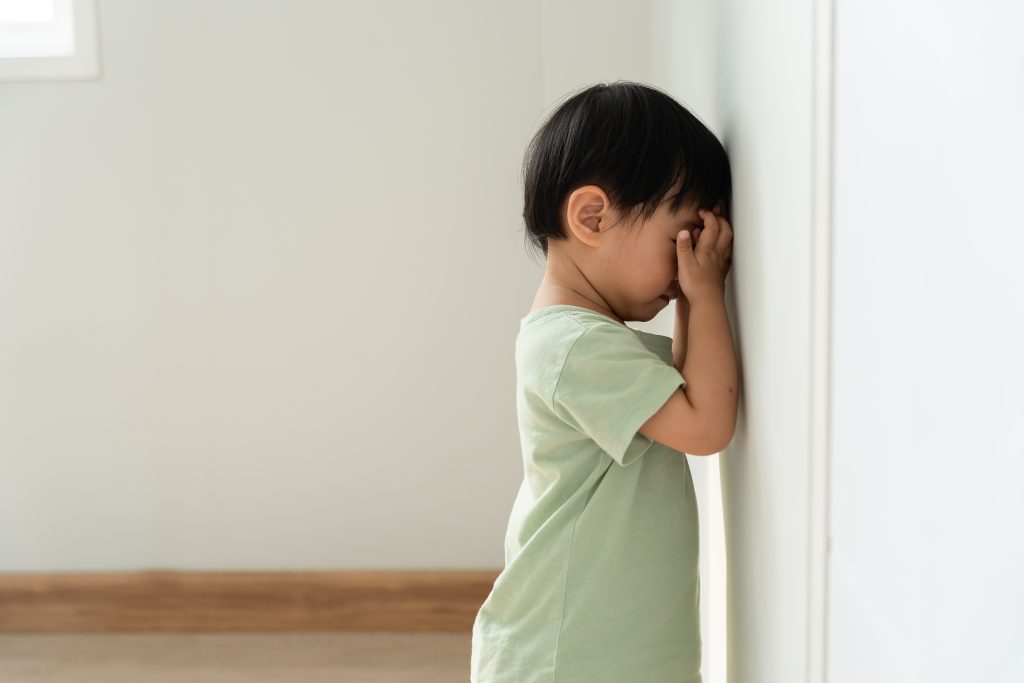
Children worry sometimes. They may feel nervous before starting school, meeting new people, sleeping alone, joining a new class, or trying something unfamiliar. In many cases, worry is a normal part of development. It can even help children become cautious, prepared, and aware of their surroundings.
However, anxiety becomes more concerning when fear or worry is persistent, intense, difficult to control, or begins to affect daily life. A child who regularly avoids school, complains of stomach aches before class, becomes extremely clingy, struggles to sleep, or has repeated emotional outbursts may not simply be “dramatic” or “difficult.” They may be showing signs of anxiety.
The CDC explains that many children have fears and worries from time to time, but persistent or extreme forms of fear may be related to anxiety. The CDC also recommends that parents speak with a healthcare provider or mental health specialist if they are concerned about anxiety or depression in their child.
Childhood anxiety is also more common than many parents realize. Based on U.S. data from 2022–2023, the CDC reported that 11% of children ages 3–17 had current, diagnosed anxiety, making anxiety one of the most commonly diagnosed mental health conditions in children. Globally, the WHO estimates that anxiety disorders affect 4.1% of 10–14-year-olds and 5.3% of 15–19-year-olds, showing that anxiety is a meaningful concern across childhood and adolescence.
Still, anxiety in children does not always look like adults expect. Some children do not say, “I feel anxious.” Instead, they may cry, cling, avoid, complain of headaches, become angry, refuse activities, or ask the same reassurance-seeking questions again and again. Therefore, parents need to look beyond the surface behaviour and ask: “What might my child’s body and behaviour be trying to say?”
Understanding Childhood Anxiety Beyond Normal Worry
Anxiety is a natural response to perceived danger, uncertainty, or stress. In small amounts, it can help children stay safe. For example, a child may feel nervous before crossing a road, meeting a new teacher, or performing in front of others. This kind of worry can be normal.
However, anxiety becomes a problem when it is stronger than the situation calls for, lasts longer than expected, or interferes with a child’s everyday life. The American Academy of Family Physicians describes childhood anxiety disorders as involving excessive anxiety, fear, or worry that is out of proportion to the situation, event, person, object, or threat.
In young children, anxiety may be difficult to recognize because children do not always have the language to explain internal feelings. Instead of saying, “I feel nervous,” a child may say, “My tummy hurts,” “I don’t want to go,” or “Please don’t leave me.” Another child may become irritable, restless, or unusually quiet.
This is why anxiety should be understood as both an emotional and physical experience. It can affect the body, behaviour, sleep, appetite, school participation, friendships, and confidence.
Signs of Anxiety in Children Parents May Notice
Anxiety can look different from child to child. Some children become quiet and withdrawn. Others become angry or controlling. Some ask many questions, while others avoid talking about what worries them.
The NHS notes that anxious young children may become irritable, tearful, or clingy, have difficulty sleeping, wake in the night, wet the bed, have bad dreams, or complain of stomach aches and headaches. Meanwhile, Child Mind Institute lists signs such as excessive worry, physical symptoms, avoidance, clinginess, trouble concentrating, tantrums, and being very self-conscious.
Physical Complaints Without a Clear Medical Cause
One of the most common signs of anxiety in children is physical discomfort. Children may complain of:
- Stomach aches
- Headaches
- Nausea
- Chest tightness
- Fast heartbeat
- Sweating
- Shaking
- Feeling dizzy
- Muscle tension
- Needing the toilet often
These symptoms can be real, even when there is no obvious illness. Anxiety activates the body’s stress response, which can create physical sensations. Child Mind Institute explains that headaches, stomachaches, sweating, and a racing heart can all be signs of anxiety.
Of course, parents should not assume every stomach ache is anxiety. Medical causes should be considered, especially when symptoms are severe, persistent, or new. However, if physical complaints often appear before school, separation, performances, social situations, or new activities, anxiety may be part of the pattern.
Avoidance of Certain Places, People, or Activities
Avoidance is one of the strongest behavioural signs of anxiety. A child may avoid school, birthday parties, enrichment classes, playgrounds, sleepovers, performances, sports, or unfamiliar places.
Avoidance can sound like:
- “I don’t want to go.”
- “I feel sick.”
- “Can we stay home?”
- “I hate that class.”
- “I’m too tired.”
- “What if something bad happens?”
- “Can you come with me?”
Avoidance gives short-term relief, but it can make anxiety stronger over time. When a child avoids something scary, the brain learns, “I only feel safe when I escape.” Therefore, parents need to respond with empathy while gently helping the child build coping skills.
Clinginess and Separation Worries
Young children often go through stages of separation anxiety. However, parents may need to pay closer attention when clinginess becomes intense, persistent, or interferes with daily routines.
A child may:
- Cry strongly when separated from a parent
- Refuse to enter preschool or class
- Follow a parent from room to room
- Ask repeatedly if the parent will return
- Worry that something bad will happen to the parent
- Refuse sleepovers or independent activities
- Need constant reassurance
The CDC notes that toddlers can become very distressed about being away from their parents even when safe and cared for, but persistent or extreme fear can suggest anxiety.
The key is intensity and impact. Some separation difficulty is normal. But if separation anxiety prevents the child from participating in school, play, or age-appropriate activities, support may be needed.
Sleep Problems and Nighttime Worries
Anxiety often becomes louder at night. During the day, children may be distracted by routines, play, or school. At bedtime, worries may rise because the environment becomes quieter.
Signs may include:
- Difficulty falling asleep
- Asking many questions at bedtime
- Needing repeated reassurance
- Waking in the night
- Nightmares
- Fear of sleeping alone
- Bedwetting after previously staying dry
- Complaints of stomach aches before bed
The NHS lists sleep difficulty, waking in the night, bedwetting, and bad dreams as possible signs of anxiety in children.
A bedtime routine can help, but if a child’s worries remain intense, parents may need to explore what the child is afraid of and consider professional guidance.
Anxiety Can Look Like Irritability, Anger, or Tantrums
Many parents expect anxiety to look like fear. However, anxiety can also look like anger. A child who feels overwhelmed may shout, refuse, argue, cry, or have tantrums.
Cleveland Clinic notes that children with anxiety disorders may have emotional outbursts such as crying or tantrums, show avoidance, try to escape or hide, and appear “on the lookout for danger.”
This is important because anxious children are sometimes mistaken for defiant children. For example, a child who refuses to join a class may not be trying to be difficult. They may be afraid of making mistakes, being judged, separating from a parent, or not knowing what to expect.
Why Anxiety Triggers Big Reactions
An anxious child may react strongly because their body feels unsafe. When anxiety activates the stress response, the child may go into fight, flight, or freeze mode.
- Fight may look like anger, shouting, or arguing.
- Flight may look like running away or avoiding.
- Freeze may look like silence, refusal, or shutting down.
Therefore, instead of asking only “How do I stop this behaviour?” parents can also ask, “What fear might be underneath this behaviour?”
Worry, Reassurance Seeking, and Repeated Questions
Some anxious children ask the same questions again and again:
- “Will you come back?”
- “What if I get sick?”
- “What if I make a mistake?”
- “What if nobody plays with me?”
- “Are you sure?”
- “What if the teacher gets angry?”
- “What if I can’t do it?”
At first, parents may answer patiently. However, the questions may continue even after the answer is given. This is because anxious reassurance often works only briefly. The child feels calm for a moment, then the worry returns.
The American Academy of Child and Adolescent Psychiatry lists many “what if” worries, constant concerns about family, school, friends, activities, fears of embarrassment or mistakes, and low self-confidence as symptoms of anxious children.
A helpful response is not endless reassurance, but gentle coaching:
“I know your worry is asking again. We already made a plan. What can you tell your worry?”
“You are worried about making a mistake. Mistakes are part of learning.”
“You can feel nervous and still try.”
This helps children slowly build internal coping skills.
School, Preschool, and Enrichment Class Anxiety
Children may show anxiety around preschool, school, or enrichment classes. This does not always mean the class is bad. Sometimes children feel nervous because the environment is new, structured, social, or challenging.
Signs may include:
- Crying before class
- Complaining of stomach aches on class days
- Refusing to enter the room
- Becoming unusually quiet
- Clinging to a parent
- Avoiding group participation
- Fear of answering questions
- Worry about making mistakes
- Difficulty concentrating
The American Academy of Pediatrics notes that the SCARED screening tool can be used in primary care to assess symptoms related to childhood anxiety disorders, including generalized anxiety, separation anxiety, panic, social phobia, and school phobia.
If anxiety appears mainly around school or class, parents can work with teachers to understand the pattern. Is the child worried about separation? Social interaction? Performance? Noise? Unclear routines? A specific peer? Once the trigger is clearer, support becomes more targeted.
Social Anxiety and Fear of Being Judged
Some children feel anxious in social situations. They may worry about being watched, laughed at, corrected, or rejected. Social anxiety may be mistaken for shyness, but it can be more intense and limiting.
A socially anxious child may:
- Avoid speaking in groups
- Refuse to perform or present
- Hide behind a parent
- Avoid birthday parties or playdates
- Fear answering questions
- Worry about embarrassment
- Speak comfortably at home but not in class
- Avoid eye contact in social situations
Not every quiet child has anxiety. Some children are naturally reserved and simply need time to warm up. However, if fear prevents the child from participating in normal activities they might otherwise enjoy, anxiety may be involved.
Perfectionism and Fear of Mistakes
Anxiety can also show up as perfectionism. A child may avoid trying because they fear getting it wrong. They may cry over small mistakes, erase repeatedly, refuse to submit work, or say, “I can’t do it” before beginning.
This can happen in academic tasks, art, sports, music, or enrichment classes. The child may not be lazy. They may be afraid of failure.
Parents can support perfectionistic children by praising effort and process rather than only results:
- “You tried a new strategy.”
- “Mistakes help your brain learn.”
- “You do not need to do it perfectly.”
- “Let’s make a messy first try.”
- “I’m proud that you kept going.”
The goal is to help children feel safe enough to learn imperfectly.
How Anxiety Affects Attention and Learning
Anxiety can affect concentration. A child who is worried may seem distracted, restless, forgetful, or unable to finish tasks. Sometimes, anxiety can even look similar to attention difficulties.
Child Mind Institute explains that anxiety can make it hard for children to focus or sit still, which may make it difficult to distinguish anxiety from ADHD. It also notes that outward signs may include trouble sleeping, stomachaches, headaches, clinginess, and tantrums.
This is why observation matters. If a child loses focus mainly when worried, evaluated, separated, or uncertain, anxiety may be part of the picture. If attention difficulties happen across many situations, another explanation may also need to be considered.
What Parents Can Do When They Notice Anxiety Signs
Parents cannot remove every worry from a child’s life, and they do not need to. The goal is to help children feel supported while gradually learning that they can handle difficult feelings.
Listen Without Dismissing the Feeling
Avoid saying, “Don’t be silly,” “There’s nothing to worry about,” or “You’re fine.” While these phrases may be meant to reassure, they can make children feel misunderstood.
Try:
- “That feels scary to you.”
- “You’re worried about what might happen.”
- “I can see this is hard.”
- “Let’s talk about what your worry is saying.”
Name the Anxiety
Some families find it helpful to give worry a name, such as “the worry voice” or “the worry monster.” This helps children see anxiety as something they can talk back to, not their whole identity.
For example: “Your worry voice says you can’t go in. What can your brave voice say?”
Create a Coping Plan
A coping plan might include:
- Taking slow breaths
- Holding a comfort object
- Using a short phrase, such as “I can try”
- Asking for help
- Breaking a task into small steps
- Practising the situation in advance
- Having a predictable goodbye routine
Avoid Strengthening Avoidance
It is natural to want to protect children from distress. However, if parents always remove the child from every anxiety trigger, the child may not learn coping skills.
Instead, use gentle exposure. This means helping the child approach feared situations in small, manageable steps.
For example:
- First, visit the class location when it is quiet.
- Next, meet the teacher briefly.
- Then, stay for part of the class.
- Later, join the class with a short goodbye routine.
This approach respects the child’s fear while helping them build confidence.
When to Seek Professional Support
Parents should consider seeking support if anxiety is persistent, intense, or affecting daily functioning. The CDC recommends speaking with a healthcare provider or mental health specialist when parents are concerned about anxiety or depression in their child.
Consider professional guidance if a child:
- Avoids school or activities regularly
- Has frequent physical complaints without clear medical cause
- Cannot sleep because of worry
- Has panic-like symptoms
- Has severe separation distress
- Shows frequent emotional outbursts linked to fear
- Repeatedly seeks reassurance but remains distressed
- Stops enjoying activities they used to like
- Has anxiety that affects family routines
- Talks about hopelessness, self-harm, or not wanting to live
For urgent safety concerns, parents should seek immediate professional or emergency support.
How Preschool and Enrichment Environments Can Help
A supportive preschool or enrichment class can help anxious children practise confidence in a safe setting. However, the environment should be warm, predictable, and developmentally appropriate.
Helpful classroom supports include:
- Clear routines
- Gentle transitions
- Small group activities
- Warm teacher-child relationships
- Encouragement without pressure
- Opportunities to practise social skills
- Visual schedules
- Calm spaces
- Positive reinforcement
- Parent-teacher communication
A child who feels anxious may need time to warm up. Teachers should avoid shaming the child for being hesitant. Instead, they can gently invite participation, offer small roles, and celebrate effort.
Anxiety Signs Are Signals, Not Labels
The signs of anxiety in children can appear in many forms: stomach aches, headaches, clinginess, sleep problems, tantrums, avoidance, repeated reassurance seeking, perfectionism, irritability, or difficulty concentrating. Because anxiety does not always look like fear, parents may sometimes misread it as defiance, laziness, or attention seeking.
However, when parents look beneath the behaviour, they can respond more effectively. A child with anxiety needs empathy, structure, coping tools, and gradual support—not shame or pressure.
Most importantly, anxiety is not a character flaw. It is a signal that a child’s nervous system is feeling overwhelmed. With patient guidance, supportive routines, healthy communication, and professional help when needed, children can learn to understand their worries, face challenges step by step, and build confidence in their ability to cope.