
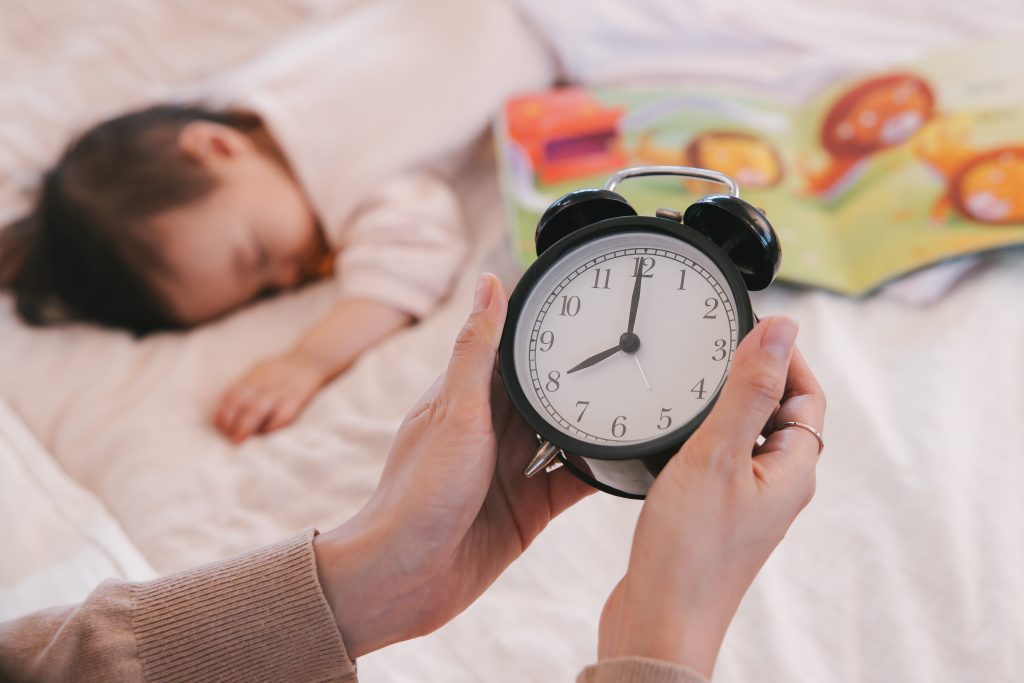
Toddlers love independence, but they also need predictability. One moment, they may insist on doing everything by themselves. The next, they may cry because breakfast is different, playtime ends too soon, or bedtime comes before they feel ready. For parents, this stage can feel both joyful and exhausting.
That is why routines matter. A toddler routine is not about creating a strict timetable where every minute is controlled. Instead, it is about giving children a familiar rhythm so they know what usually comes next. When toddlers can predict daily patterns, they often feel safer, calmer, and more cooperative.
The American Academy of Pediatrics emphasizes the importance of breakfast, family meals, bedtime routines, and enough sleep, while also noting that routines make these healthy habits easier for families to maintain.
In other words, a good routine does more than organize the day. It supports emotional security, sleep, language, independence, self-regulation, and early learning. For parents, routines can also reduce daily power struggles because children are not constantly surprised by transitions.
However, the best toddler routines are flexible. They create structure without turning family life into a rigid schedule. This article explains how to build routine for toddlers in a way that feels realistic, nurturing, and developmentally appropriate.
Understanding Why Toddlers Need Predictable Daily Rhythm
Toddlers are in a stage of rapid growth. They are learning to walk, talk, make choices, express feelings, follow instructions, and understand boundaries. At the same time, their self-control is still developing. This means that sudden changes, hunger, tiredness, overstimulation, or unclear expectations can quickly lead to frustration.
A routine helps by reducing uncertainty. When a toddler knows that breakfast comes after waking up, clean-up happens before bath time, and story time comes before sleep, the day feels less chaotic.
The CDC explains that toddlers between 1 and 2 years old are becoming more active, exploring new things, showing more independence, and learning through interaction, play, naming objects, and simple problem-solving activities.
Therefore, routines should not only focus on discipline. A strong toddler routine should include time for movement, meals, rest, play, language, connection, and calm transitions.
Routine Is Not the Same as Control
Some parents worry that routines will make children less flexible. Actually, the opposite can be true. When children have a secure daily structure, they may become more confident handling small changes because they already have a familiar foundation.
For example, a child who usually has a bedtime routine may adapt better when bedtime happens in a hotel, at a grandparent’s house, or after a special family event. The exact place changes, but the rhythm—bath, pyjamas, book, hug, sleep—still feels familiar.
The goal is not to control every part of the toddler’s day. The goal is to create a rhythm that helps the child feel safe enough to grow.
The Developmental Benefits of Toddler Routines
A toddler routine supports more than convenience. It can support development across several areas.
Emotional Security and Fewer Power Struggles
Toddlers often resist when they do not understand what is happening. If a parent suddenly says, “Stop playing, we need to go now,” the child may feel interrupted and powerless. However, if the routine is familiar and the parent gives a warning, the transition becomes easier.
For example:
“After two more blocks, we clean up.”
“After dinner, we take a bath.”
“After this book, it is sleep time.”
These repeated patterns help toddlers understand expectations. As a result, parents may need fewer arguments and fewer repeated instructions.
Better Sleep and Bedtime Cooperation
Bedtime is one of the most important routines in toddler life. Research published in Sleep Medicine Reviews found that bedtime routines are associated with better sleep outcomes in young children, including earlier bedtimes, shorter time to fall asleep, fewer night wakings, and longer sleep duration. The review also noted links between bedtime routines and positive child mood and emotional-behavioural regulation.
Another study found that implementing a bedtime routine was associated with longer toddler sleep duration through fewer nighttime awakenings.
This matters because sleep affects mood, attention, behaviour, learning, and family well-being. A tired toddler is more likely to cry, resist transitions, and struggle with self-control.
Independence and Confidence
Routines help toddlers practise doing things by themselves. When the same steps happen every day, children begin to remember what comes next.
For example, a morning routine might include:
- Wake up
- Use the toilet or change diaper
- Wash face
- Eat breakfast
- Brush teeth
- Get dressed
- Pack bag
- Put on shoes
At first, parents guide each step. Over time, toddlers may begin to participate more independently. This builds confidence because the child starts to think, “I know what to do.”
Language and Learning Opportunities
Routines also support language development. Repeated daily moments give parents natural chances to use the same words and phrases.
During meals, parents can talk about food, colours, textures, and choices. During bath time, they can name body parts and actions. During clean-up, they can use words such as “in,” “under,” “beside,” “big,” “small,” “first,” and “next.”
The CDC recommends talking with toddlers, adding to the words they start, encouraging exploration, playing matching games, and helping them name familiar objects and body parts.
Because routines repeat, toddlers hear useful words many times in meaningful contexts. This makes language learning feel natural.
How to Build Routine for Toddlers Step by Step
Building a toddler routine does not need to happen overnight. In fact, it is better to start small and adjust gradually.
Step 1: Observe Your Toddler’s Natural Rhythm
Before creating a routine, observe your child for a few days. Notice when they seem hungry, tired, energetic, clingy, playful, or overstimulated.
Ask yourself:
- What time does my toddler naturally wake up?
- When do they usually get hungry?
- When do tantrums happen most often?
- What time do they become tired?
- Do they need quiet time after active play?
- Which transitions are hardest?
This helps you build a routine around your toddler’s real needs, not an unrealistic schedule.
Step 2: Choose Anchor Points First
Instead of planning every minute, begin with “anchor points.” These are key moments that happen around the same time each day.
Common toddler anchor points include:
- Wake-up time
- Breakfast
- Outdoor or active play
- Lunch
- Nap or quiet rest
- Snack
- Free play
- Dinner
- Bath
- Bedtime routine
Once these anchor points are stable, the rest of the day becomes easier to organize.
Step 3: Keep the Routine Simple
A toddler routine should be easy for both parent and child to remember. If it has too many steps, it becomes stressful.
For example, a simple bedtime routine may look like:
- Bath
- Pyjamas
- Brush teeth
- Story
- Hug
- Lights out
This is clear, repeatable, and calm. Over time, the routine itself becomes a signal that sleep is coming.
Step 4: Use Visual Cues
Toddlers often understand pictures before they fully understand time. A visual routine chart can help children see what comes next.
You can use simple pictures for:
- Wake up
- Eat
- Brush teeth
- Get dressed
- Play
- Clean up
- Bath
- Read
- Sleep
A visual routine is especially helpful for transitions because the child can point to the next step instead of relying only on spoken reminders.
Step 5: Repeat the Same Language
Use consistent phrases. For example:
“First clean up, then snack.”
“After bath, we read.”
“When the timer rings, playtime is finished.”
“Shoes on, then we go outside.”
Repetition helps toddlers understand sequence. It also reduces negotiation because the language becomes familiar.
Creating a Morning Routine for Toddlers
Mornings can be difficult because parents often need to prepare quickly while toddlers move slowly, resist dressing, or want to play. A calm morning routine can reduce stress.
A Simple Toddler Morning Routine
A practical morning routine may include:
- Wake up with a gentle greeting
- Change diaper or use toilet
- Wash face and hands
- Eat breakfast
- Brush teeth
- Get dressed
- Pack comfort item or bag
- Put on shoes
- Leave the house
The AAP highlights the importance of breakfast as part of healthy routines for young children and families.
To make mornings easier, parents can prepare some things the night before: clothes, bag, snacks, water bottle, or preschool items. This reduces rushing, and toddlers often cooperate better when adults are less stressed.
Give Choices Without Losing Structure
Toddlers like control, but too many choices can overwhelm them. Offer two acceptable options:
“Do you want the blue shirt or the yellow shirt?”
“Do you want banana or toast?”
“Do you want to put on socks first or shoes first?”
This gives the child a sense of independence while keeping the routine moving.
Building Mealtime Routines That Support Healthy Habits
Mealtimes are not only about nutrition. They also teach sitting, waiting, trying, naming foods, using utensils, and participating in family rhythms.
The CDC advises parents of toddlers aged 2 to 3 to encourage children to sit while eating and chew food thoroughly to reduce choking risk.
A toddler mealtime routine might include:
- Wash hands
- Sit in the same eating area
- Offer simple food choices
- Eat together when possible
- Use calm conversation
- Clean hands and face after eating
- Help place cup or spoon in the sink
Avoid Turning Meals Into Battles
Toddlers may be picky. They may eat a lot one day and very little the next. A routine can help by making mealtimes predictable, but parents should avoid forcing every bite.
Instead, keep the structure clear:
“This is lunch time.”
“You can choose rice or pasta first.”
“You do not have to finish everything, but food stays on the plate.”
The goal is to create a calm eating rhythm, not a daily power struggle.
Designing Play, Learning, and Enrichment Time
Toddlers need play every day. Play supports language, movement, problem-solving, creativity, and social-emotional development.
The CDC recommends encouraging toddlers to explore, try new things, play matching games, name objects, and engage in learning through simple daily activities.
A balanced play routine may include:
- Active play
- Pretend play
- Sensory play
- Outdoor movement
- Reading
- Music and songs
- Art or drawing
- Quiet independent play
Why Play Should Be Part of the Routine
Some parents think routines are only for meals and sleep. However, toddlers also benefit when play has a predictable place in the day.
For example:
“After breakfast, we play outside.”
“After nap, we read books.”
“Before dinner, we clean up toys.”
This gives toddlers something to look forward to while also helping them practise transitions.
Enrichment Classes and Routine
For toddlers attending enrichment classes, routine can help them feel more confident. If a class happens weekly, parents can create a small ritual:
- Pack bag together
- Talk about where they are going
- Sing a familiar song on the way
- Say goodbye in the same way
- Discuss one thing they enjoyed afterward
This helps toddlers connect learning experiences with emotional security.
Creating a Calm Nap or Quiet-Time Routine
Not every toddler naps easily. Some resist sleep even when tired. Others stop napping earlier than expected but still need quiet rest.
A nap or quiet-time routine may include:
- Lunch
- Diaper change or toilet
- Dim lights
- Short book
- Soft music
- Comfort item
- Rest time
If the child no longer naps, quiet time can still help. They may look at books, cuddle a toy, listen to soft music, or rest in a calm space.
The purpose is not always sleep. Sometimes the goal is nervous system recovery. Toddlers need breaks from stimulation, especially after active mornings.
Building a Bedtime Routine That Actually Works
Bedtime routines are among the most researched and beneficial routines for young children. A consistent bedtime routine helps signal that the day is ending and gives toddlers repeated steps that prepare the body and mind for sleep.
Research reviewed in Sleep Medicine Reviews found that bedtime routines are linked with improved sleep and broader child well-being, including language development, literacy, emotional-behavioural regulation, parent-child attachment, and family functioning.
A Practical Toddler Bedtime Routine
A bedtime routine may look like:
- Turn off screens
- Bath or wash-up
- Put on pyjamas
- Brush teeth
- Read one or two books
- Say goodnight
- Lights out
The routine should be calming and predictable. Try to avoid rough play, exciting screen content, or big negotiations right before sleep.
Keep Bedtime Boundaries Gentle but Clear
Toddlers may ask for more water, another story, another hug, or one more toy. Some requests are genuine, but others are delay tactics.
Parents can respond warmly while holding the boundary:
“You had water. We read two books. Now it is sleep time.”
“I will sit for one minute, then I will leave.”
“I love you. It is time to rest.”
Consistency is important. If the routine changes every night, toddlers may continue testing because they do not know what to expect.
Managing Transitions Without Daily Meltdowns
Transitions are one of the hardest parts of toddler routines. Moving from one activity to another can trigger tantrums, especially when the child is tired or deeply engaged.
Use “First, Then” Language
“First clean up, then snack.”
“First shoes, then playground.”
“First bath, then story.”
This helps toddlers understand sequence and gives them a reason to cooperate.
Give Warnings
“Five more minutes.”
“Two more turns.”
“One more song.”
“When the timer rings, we stop.”
Warnings give children time to adjust emotionally.
Make Transitions Physical
Toddlers often respond better to action than explanation. You can make transitions playful:
“Let’s hop to the bathroom.”
“Can you drive your toy car to the shelf?”
“Let’s walk like elephants to the bedroom.”
This keeps the routine moving without turning every transition into a battle.
How Flexible Should a Toddler Routine Be?
A routine should be consistent, but not rigid. Families have appointments, travel, celebrations, illness, visitors, preschool schedules, and unexpected changes. The routine should support family life, not create guilt.
Karitane, a child and family health organization, recommends balancing play and rest, watching toddler cues, and staying flexible when unexpected changes happen. It also suggests a flexible feed-play-sleep cycle rather than an overly restrictive schedule.
This is a helpful mindset: structure gives security, but flexibility teaches adaptation.
What to Keep Consistent
Try to keep these stable when possible:
- Wake-up rhythm
- Meal rhythm
- Nap or quiet rest
- Bedtime steps
- Clean-up expectations
- Goodbye rituals
- Screen-time boundaries
What Can Be Flexible
These can vary:
- Exact play activities
- Outdoor vs indoor play
- Which book to read
- Which clothes to wear
- Which toy to bring
- Which art or enrichment activity to do
This balance lets toddlers feel both secure and independent.
Sample Daily Routine for Toddlers
Here is a simple example. It can be adjusted depending on your family’s schedule.
Morning
- Wake up
- Toilet or diaper change
- Breakfast
- Brush teeth
- Get dressed
- Active play or outdoor time
Midday
- Snack
- Reading, music, or sensory play
- Lunch
- Nap or quiet time
Afternoon
- Snack
- Free play or enrichment activity
- Outdoor movement
- Clean-up routine
Evening
- Dinner
- Calm family time
- Bath
- Pyjamas
- Brush teeth
- Story
- Bedtime
This routine is not meant to be followed perfectly. It is a framework. Parents can adapt it based on the child’s age, nap needs, preschool schedule, and family lifestyle.
Common Mistakes Parents Should Avoid
Making the Routine Too Complicated
If the routine has too many steps, it becomes hard to maintain. Start with the most important parts: meals, sleep, hygiene, play, and transitions.
Changing Rules Too Often
If bedtime is 8:00 p.m. one night, 10:00 p.m. the next, and unpredictable after that, toddlers may resist more. Try to keep key routines stable.
Expecting Immediate Cooperation
Toddlers need time to learn routines. They may resist at first, especially if the structure is new. Stay consistent and calm.
Using Routines Only as Discipline
Routines should feel supportive, not punitive. A routine is not only about controlling behaviour. It is about helping the child feel safe and capable.
Forgetting Connection
A routine without warmth can feel mechanical. Add connection through hugs, songs, eye contact, stories, and playful moments.
When a Routine Is Not Working
If a routine creates more stress than calm, it may need adjustment. Ask:
- Is my toddler overtired before bedtime?
- Is the routine too long?
- Are transitions too sudden?
- Are meals too close together or too far apart?
- Is there enough active play?
- Is there too much screen time before sleep?
- Are expectations age-appropriate?
Sometimes, a small change can help. For example, moving bath earlier, shortening bedtime stories, adding outdoor play in the morning, or preparing clothes the night before can make the day smoother.
Routines Help Toddlers Feel Safe, Capable, and Calm
Learning how to build routine for toddlers is not about creating a perfect schedule. It is about giving children a predictable rhythm that supports sleep, emotional regulation, independence, learning, and family connection.
Toddlers are still learning how the world works. They need repeated patterns to understand what comes next. They need gentle reminders before transitions. They need choices that give them independence without overwhelming them. Most importantly, they need routines that are consistent enough to feel safe but flexible enough to fit real family life.
A strong toddler routine does not remove every tantrum or difficult moment. However, it can reduce daily stress, improve cooperation, and help children build confidence. Over time, simple routines become more than habits. They become the foundation for security, self-control, and healthy development.